Ayurvedic cure for arthritis has long offered holistic alternatives to conventional therapies and among its most revered treatments is Podikizhi. This traditional fomentation therapy, also known as Choorna Pinda Sweda, harnesses the synergistic power of herbal powders and warmth to ease joint pain, reduce inflammation, and restore mobility. As patients seek sustainable, side-effect-minimizing solutions for chronic arthritis, Podikizhi is increasingly recognized as a dignified and effective modality in the integrative medicine repertoire. At Ayur Treat, experience a refined ayurvedic cure for arthritis through Podikizhi, where healing herbs, warm compresses, and ancient wisdom restore comfort and balance.
In this article, we explore what Podikizhi is, how it works, its benefits and limitations, and how it fits into a thoughtful holistic treatment plan for arthritis.
What Is Podikizhi?
Podikizhi is a classical Ayurveda fomentation technique featured in traditional texts and practiced in ayurveda.
- Medicinal herbal powders are gently warmed in medicated oils.
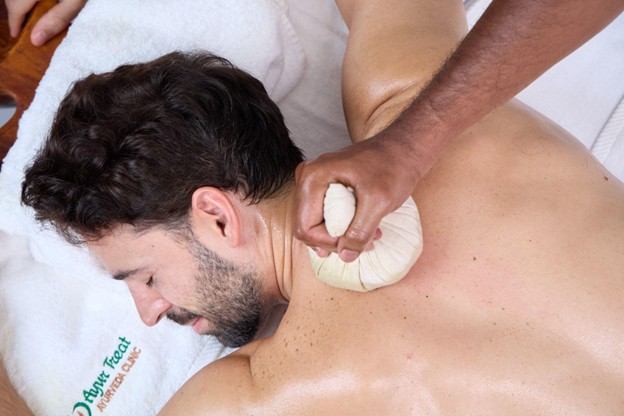
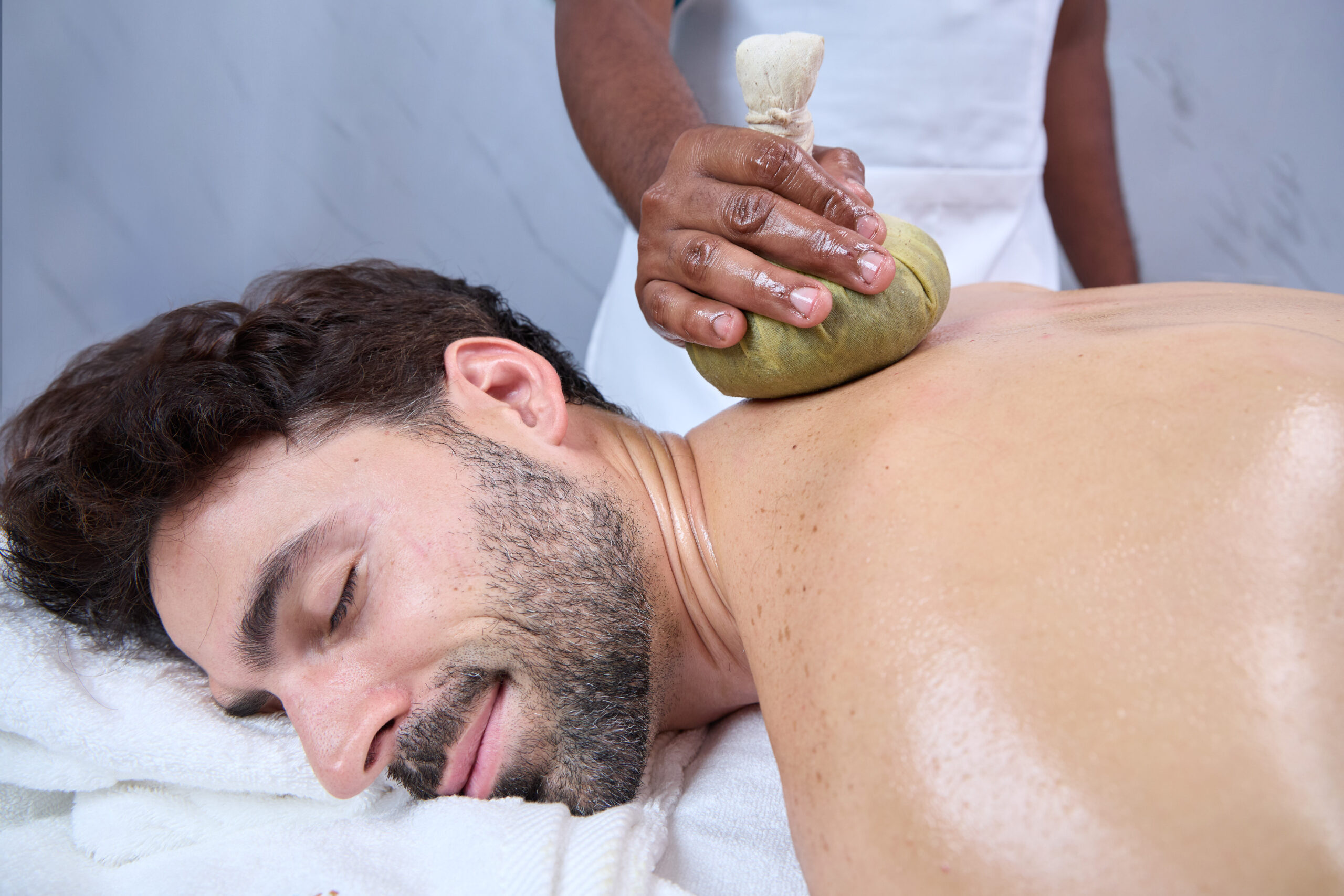
- The warmed powder is packed into small cloth bags that is called kizhis or boluses.
- These bundles are rhythmically applied and massaged over affected joints, muscles, and tissues.
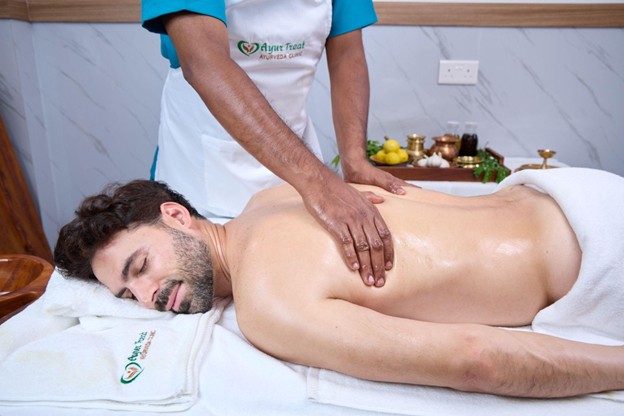
- Often preceded by an oil massage (abhyanga) and followed by gentle fomentation or steam therapy.
This combination of heat, herb, and therapeutic pressure is intended to deepen blood flow, relax stiff tissues, detoxify, and counter the aggravated Vata and Kapha doshas often implicated in arthritic conditions.
How Podikizhi Supports Arthritic Healing
- Reducing Pain, Swelling & Stiffness
One of the primary effects of Podikizhi is to diminish discomfort in arthritic joints. The heated herbal boluses help relax muscles, ease spasms, and penetrate the local tissue layers, calming inflammation.
- Improving Circulation & Nutrient Flow
The warmth and rhythmic application stimulate microcirculation in and around joints, nourishing tissues and facilitating the removal of metabolic waste and accumulated toxins.
- Enhancing Mobility & Tissue Flexibility
By softening fibrotic adhesions and increasing tissue pliability, Podikizhi helps restore range of motion in joints compromised by long-standing arthritis.
- Detoxification and Systemic Balance
Through induced warmth and perspiration, Podikizhi is said to encourage elimination of toxins via the skin, thus supporting systemic detoxification and enhancing the body’s natural healing response.
- Psychological & Nervous-System Support
The soothing, meditative aspect of the treatment helps mitigate stress and nervous tension, which often exacerbate pain perception in chronic conditions.
Who Can Benefit
Podikizhi is especially indicated for chronic joint conditions such as osteoarthritis, rheumatoid arthritis, spondylosis, and muscular stiffness affecting the limbs or spine.
Contraindications & Cautions
This therapy is not recommended in certain conditions, such as:
- Acute infections or fever
- Open wounds, skin ulcers, or active dermatological lesions
- Pregnancy (depending on stage)
- Severe cardiovascular disease or circulatory disorders
- Advanced cancer or critical systemic illness
- Recent fractures or trauma in the area
- Conditions that make heat therapy inadvisable like acute inflammation.
Always consult a qualified Ayurvedic practitioner before use, especially when you have comorbidities or are undergoing conventional medical treatments.
Integrative Use
Podikizhi is most effective when integrated into a broader therapeutic plan:
- Accompany with herbal internal formulations (e.g. anti-inflammatory herbs)
- Use alongside diet, lifestyle modification, and gentle exercise
- Follow up with maintenance boluses or other Panchakarma therapies
- Monitor response and adjust treatment frequency as necessary
Duration & Frequency
A single Podikizhi session typically lasts from 30 to 60 minutes. A therapeutic course may extend from 7 days up to 3 weeks, depending on the severity of the ailment.
Material & Preparation
Therapists custom-select herbal powders and supportive oils based on individual doshas, disease chronicity, and target regions. Herbal mixtures often include formulations with anti-inflammatory, analgesic, and warming herbs such as mustard, herbal roots, and spices.
Sensations & Aftercare
During the technique, patients typically sense deep warmth, mild pressure, and gradual soothing of stiffness. After the session, a warm bath or fomentation is often prescribed. Some light redness or warmth post-treatment is considered normal, though excessive soreness should be reported.
Looking Ahead
Ayurveda’s maturity lies not in rejecting modern medicine but in complementing it wisely. The Ayurvedic cure for arthritis via Podikizhi at Ayur Treat offers a compelling balance of tradition and therapy—a non-invasive, natural method designed to coax healing from within. Podikizhi stands as a potent, time-honoured therapy for those seeking a gentler yet powerful route to joint health.